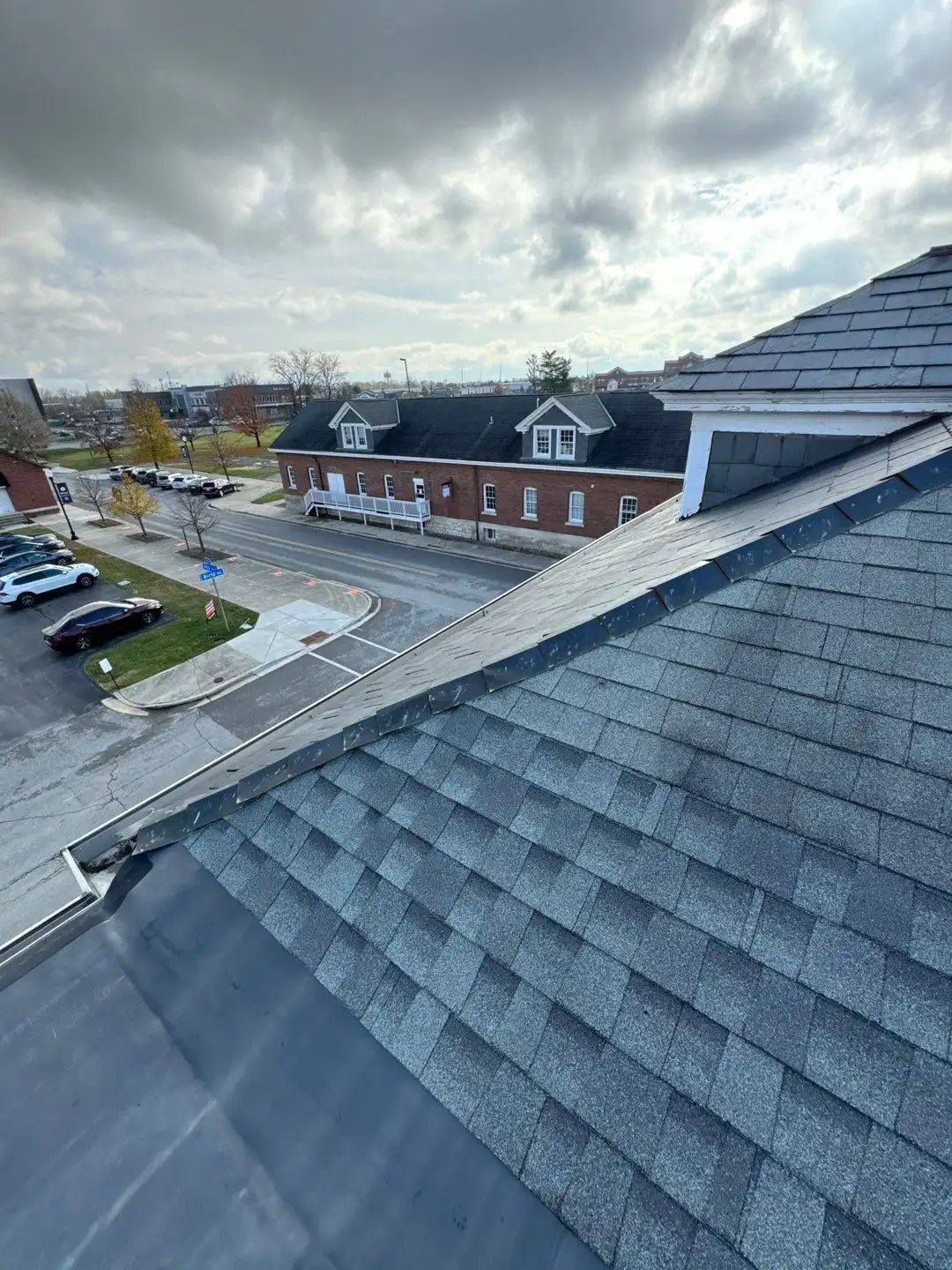
What exactly is a commercial roof coating?
A commercial roof coating is a fluid applied membrane that gets rolled or sprayed over your existing roof. Once cured, it forms a seamless, reflective, waterproof skin insured to the substrate underneath. The most common chemistries used on flat and low slope roofs in Mulberry are silicone, acrylic, and polyurethane, each with different strengths around ponding water, foot traffic, and UV exposure. Coatings can be applied over aged TPO, EPDM, modified bitumen, built up roofs, and metal panels, provided the surface is sound and properly prepared.
When does coating make more sense than replacement?
Coating works best when the membrane is aged but intact, the insulation is dry, and the deck is structurally fine. If your roof has scattered seam failures, chalky UV degradation, or minor ponding but no widespread saturation, restoration is usually the smarter spend. We dig into this comparison more in our breakdown of when to coat vs replace your commercial roof, but the short version is this: if a moisture survey shows more than roughly 25 percent wet insulation, coating is throwing good money after bad and a commercial roof replacement is the honest recommendation.
There is also a tax and accounting angle worth raising with your CFO. Replacement is typically treated as a capital expense depreciated over many years, while a maintenance grade restoration can often be expensed in the year it is performed. That single distinction has pushed plenty of Mulberry property owners toward coating when the roof condition supports it. Mulberry Commercial Roofing is happy to provide the scope documentation your accountant needs to classify the work correctly.
How much does commercial roof coating cost in Mulberry?
For most buildings in our area, coating systems run between $2.00 and $7.50 per square foot installed, depending on the chemistry, mil thickness, surface prep required, and warranty length. A basic acrylic recoat on a clean, sound roof sits at the low end. A full silicone restoration system with embedded fabric at seams and a 20 year manufacturer warranty lives at the top end. Prep work like power washing, primer, rust treatment on metal, or repairing blisters is priced separately and can add meaningfully to the total.
Compare those numbers to a full tear off, which usually lands between $9 and $16 per square foot for a typical TPO or EPDM replacement in Mulberry, and the economics get interesting fast. On a 30,000 square foot building, that delta can mean six figures kept on the balance sheet, assuming the existing roof is a legitimate restoration candidate. The right answer always comes from the moisture survey and core samples, not from a sales pitch.
Can coating fix an active leak?
Not by itself, and not as an emergency measure. If water is currently getting into your building, we need to stop the active leak first through targeted commercial roof repair and confirm the insulation underneath has dried out. Coating over a wet roof traps moisture and accelerates deck rot. For storm related leaks or sudden punctures, we prioritize tarping and dry in before any restoration conversation begins. Severity is assessed over the phone, and we get inspections scheduled quickly so coating decisions are based on a dry, stable substrate.
How long will a coating system last?
Manufacturer warranties typically run 10, 15, or 20 years based on the mil thickness applied. In real world performance, a well installed silicone system at 25 dry mils commonly delivers 15 to 20 years of waterproof service before a recoat is needed. The huge advantage is that at the end of that life, you simply clean and recoat rather than tearing off. That second cycle economics is what makes coating attractive for owners who plan to hold the building long term.
Does roof coating qualify for energy or insurance savings?
Reflective white coatings can reduce rooftop surface temperatures by 50 to 80 degrees on a sunny Mulberry afternoon, which typically trims summer cooling costs by 10 to 25 percent on single story buildings with significant roof area. Some carriers also offer better rates or extended coverage when a manufacturer warrantied restoration system is installed and maintained. Ask your insurance broker what documentation they need, and we will provide warranty paperwork, photo records, and material data sheets at project closeout.
Which coating chemistry holds up best in Mulberry weather?
Our climate punishes roofs with hot, humid summers, freeze thaw winters, and the occasional hail event. Silicone is generally the strongest performer for Mulberry flat roofs because it shrugs off ponding water and UV without chalking or breaking down. Acrylic is cost effective and bright white but softens under standing water, so it is better on roofs with positive drainage. Polyurethane offers excellent impact and foot traffic resistance, which matters on roofs with heavy HVAC service activity. We walk through the tradeoffs in detail in our comparison of silicone vs acrylic roof coating.
Building use also drives the chemistry decision. Restaurants and food processing facilities exhaust grease that can degrade certain coatings, so we often specify a grease resistant polyurethane around kitchen exhaust fans even when the field of the roof is silicone. Manufacturing buildings with chemical exhaust deserve a closer look at compatibility before any product is ordered. Mulberry Commercial Roofing pulls material data sheets and field tested case histories from the manufacturer before we commit to a system on your building.
What maintenance keeps a coated roof performing?
A coating system is not maintenance free, but the upkeep is light. Twice yearly inspections, ideally in spring and fall, catch sealant separation at penetrations, debris accumulation in drains, and any mechanical damage from rooftop service contractors before small issues become leaks. Most manufacturer warranties actually require this kind of documented inspection schedule to remain valid, and Mulberry Commercial Roofing offers maintenance plans built around those requirements. Keeping receipts, photos, and inspection reports in a single folder protects both the warranty and the resale value of the building when ownership eventually changes hands.
What does the restoration process actually look like?
A proper coating job is not just spraying paint on a roof. We start with a thorough inspection and moisture scan to find wet areas. Any saturated insulation gets cut out and replaced. Seams, penetrations, and damaged spots are repaired and reinforced with polyester fabric set in coating. The entire roof is power washed to remove dirt, chalk, and biological growth. A primer goes down where the substrate requires it, then the base coat, then a finish coat at the specified dry mil thickness. Most projects in Mulberry take between three and ten working days depending on square footage and weather windows.
Coordination with building occupants matters too. We schedule power washing and spray application on days that minimize disruption to tenants, and we communicate openly about odors during cure, parking lot staging for equipment, and any temporary HVAC fresh air intake shutdowns required during application. For occupied office and retail buildings in Mulberry, that planning is half the job.